The Anxious-Avoidant Loop: Breaking the Most Common Toxic Dating Cycle
By Ari Voss
Behavioral Psychology & Relationship Expert
Why do anxious chasers and avoidant distancers inevitably attract each other? A clinical look at advanced attachment theory and how to escape the cycle.
While we often seek partners who complement us, those with insecure attachment styles often find themselves "complementing" each other in the worst way possible. Based on the foundational work of psychologists John Bowlby and Mary Ainsworth, and modernized by researchers like Amir Levine, this dynamic explains why the most volatile relationships often feel like the most "passionate" ones.
The intensity of the Anxious-Avoidant trap is often mistaken for "soulmate-level" chemistry. In reality, it is Schema Chemistry—the brain recognizing a familiar childhood wound and attempting to resolve it in adulthood.
The Subconscious Magnetism
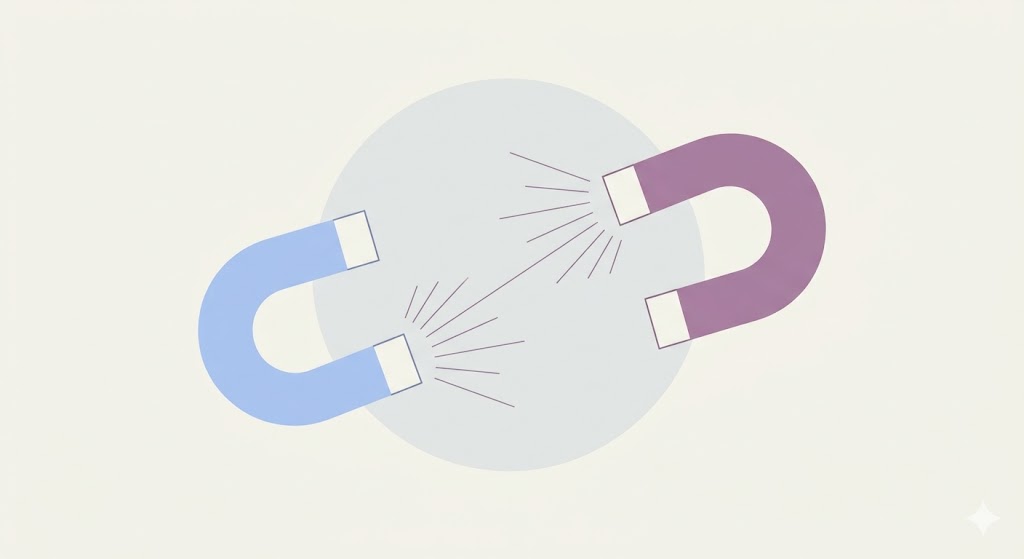
From a clinical standpoint, anxious and avoidant individuals attract each other because they validate each other's core beliefs about intimacy. This is known as Self-Verification Theory.
An anxious person often grew up in an environment where love was inconsistent. This created a core belief that love must be chased and earned. When they meet an avoidant partner who pulls away, it triggers an "activation strategy." Their brain perceives the distance as a threat to survival, flooding their system with dopamine and cortisol. The struggle to win the avoidant partner back feels like "spark," but it is actually the physiological response to abandonment.
Conversely, the avoidant partner grew up with caregivers who were either intrusive or dismissive, leading them to believe that self-reliance is the only way to stay safe. They perceive an anxious partner’s bid for closeness as "suffocation." By pushing the anxious partner away, they confirm their bias that others are needy and controlling, allowing them to retreat into the safety of their emotional fortress.
The Anatomy of the Pursuit-Withdrawal Cycle
This relationship usually follows a predictable, escalating loop. It begins with the "Honeymoon" where the avoidant person feels safe because the relationship hasn't reached deep levels of commitment yet. However, as intimacy grows, the "Trap" begins to close:
- The Deactivation: The avoidant partner feels a loss of autonomy and begins "deactivating." They stop texting back quickly, become hyper-critical of the partner's flaws, or prioritize work and hobbies.
- The Protest Behavior: Sensing the distance, the anxious partner's nervous system goes into overdrive. They engage in "protest behaviors"—excessive calling, picking fights to get a reaction, or attempts to make the partner jealous.
- The Explosion: The avoidant partner feels hunted and shuts down completely (stonewalling). The anxious partner reaches a breaking point and threatens to leave.
- The Reconnection: Fearing actual loss, the avoidant partner’s system temporarily resets. They offer a "bread crumb" of affection. The anxious partner, relieved, returns to the fold, and the cycle begins anew.

How to Break the Loop
Healing this dynamic requires moving toward Earned Security. This isn't about "fixing" the other person; it is about building an internal infrastructure that makes the trap impossible to sustain.
For the Anxious Partner
- • Practice Emotional Sobriety: Learn to sit with the "void" of a late text without catastrophizing.
- • Stop the Chase: Recognize that your pursuit actually prevents the avoidant partner from missing you.
- • Broaden Your Base: Invest heavily in friends and hobbies so one person isn't your sole regulator.
For the Avoidant Partner
- • Narrate Your Needs: Instead of disappearing, say: "I need 2 hours of quiet time to recharge, but I’m looking forward to dinner."
- • Monitor Your "Exit Strategies": Notice when you start picking your partner apart to justify pulling away.
- • Lean Into Discomfort: View vulnerability as a skill to be mastered rather than a threat to be avoided.
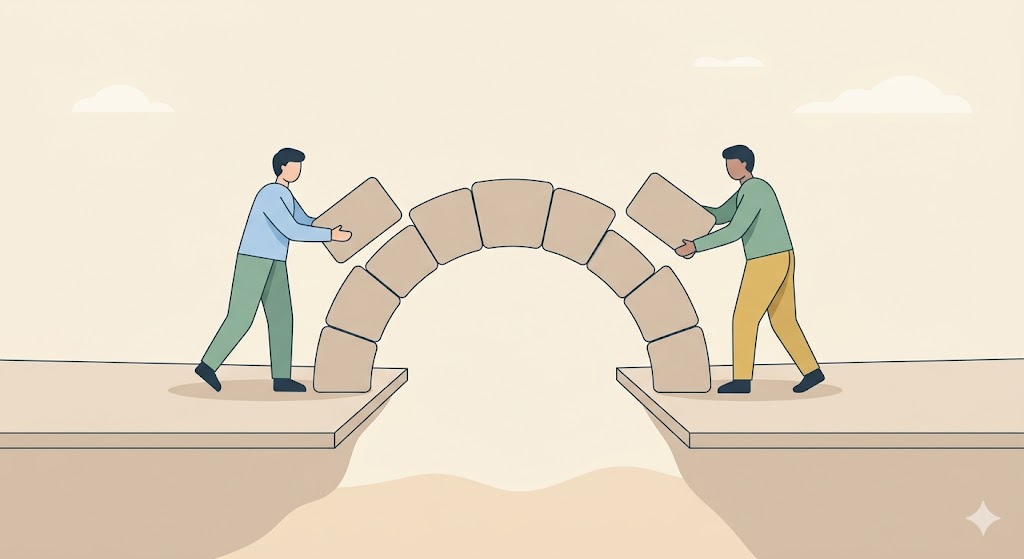
Breaking the cycle is rarely a linear process. It requires radical accountability and, often, the willingness to walk away from the "high" of the friction in favor of the "calm" of true security.
Tired of the Toxic Cycle?
Put this psychology into practice. Match with verified, intentional users on our secure Telegram platform and escape the swipe fatigue.