The Architecture of Vulnerability: How to Build Deep Emotional Trust Without Trauma Dumping
By Nina Patel
Behavioral Psychology & Relationship Expert
True connection requires vulnerability, but modern dating often confuses emotional depth with oversharing. Discover the psychological blueprint for pacing your disclosures and building a secure foundation.
In recent years, "vulnerability" has become the golden buzzword of the dating world. Encouraged by pop psychology and the influential work of researchers like Brené Brown, singles are repeatedly told that they must tear down their walls and expose their true selves to find authentic love. While the premise is fundamentally correct—you cannot be truly loved if you are not truly seen—the execution is frequently disastrous.
In the rush to establish deep intimacy, many people confuse vulnerability with "trauma dumping," effectively collapsing the foundation of a new relationship before the cement has even been poured. True intimacy is not a race to the bottom of your emotional baggage; it is a graduated process of mutual revelation.

Vulnerability vs. Emotional Dumping
Vulnerability is the act of sharing a piece of your internal world—your fears, hopes, or insecurities—from a place of emotional processing and self-awareness. It requires boundaries and an invitation for the other person to enter.
Key Insight
Emotional dumping is an act of offloading anxiety onto a stranger without their consent. It is a subconscious attempt to seek relief, whereas vulnerability is a conscious attempt to seek connection.
Imagine telling a first date that you struggle with trust because of a past betrayal. A vulnerable disclosure acknowledges the wound but takes accountability for the healing. Trauma dumping, conversely, looks like a 45-minute monologue detailing the specific, excruciating details of your ex's infidelity, leaving your date feeling more like an unpaid therapist than a romantic prospect.
The Pacing of Disclosures
Trust is not a light switch that gets flipped; it is a bridge built brick by brick over time. To build durable trust, you must pace your disclosures according to the level of commitment established.
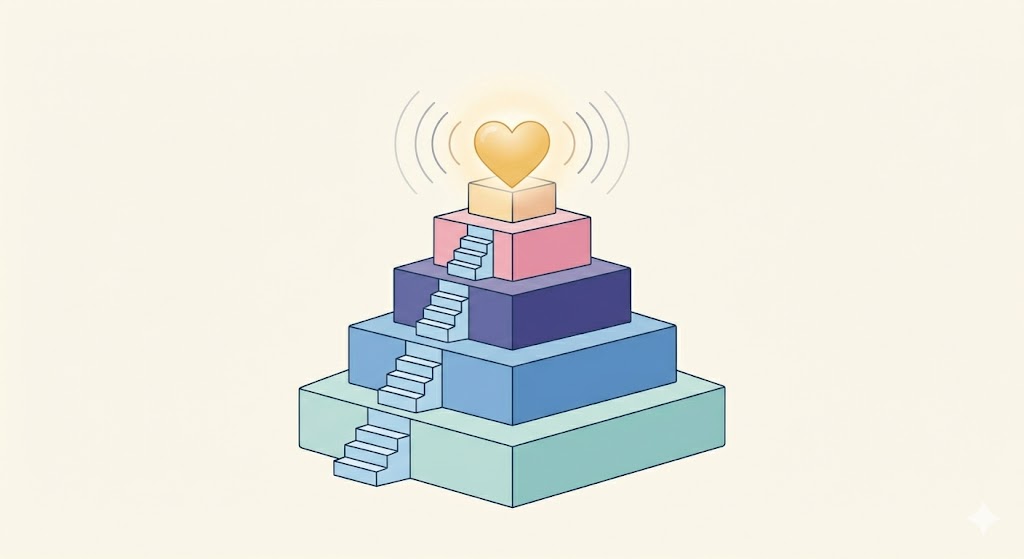
Tier 1: Low-Risk Disclosure (Dates 1-3)
Establishing baseline rapport. Share quirky fears or childhood stories. You are testing the waters: Will they laugh with me, or will they judge me?
Tier 2: Medium-Risk Disclosure (Months 1-3)
Sharing core values, career anxieties, and family dynamics. This level requires the other person to respond with active empathy and validation.
Tier 3: High-Risk Disclosure (Committed Partnership)
Reserved for those who have proven their emotional safety. Here, you share clinical mental health struggles or significant past traumas.
The Danger of Forced Intimacy
If a person pushes you to reveal your deepest secrets on the first or second date, they are not acting out of profound romantic interest; they are exhibiting poor boundaries. This behavior is often a precursor to "love bombing."
Healthy individuals respect the slow unfolding of a personality. They do not demand access to your darkest corners before they have even learned how you take your coffee.
The Role of the Listener
Vulnerability is a two-way street. Relationship psychologists emphasize "Active Constructive Responding." This means turning toward your partner and validating their emotion before attempting to offer a solution.
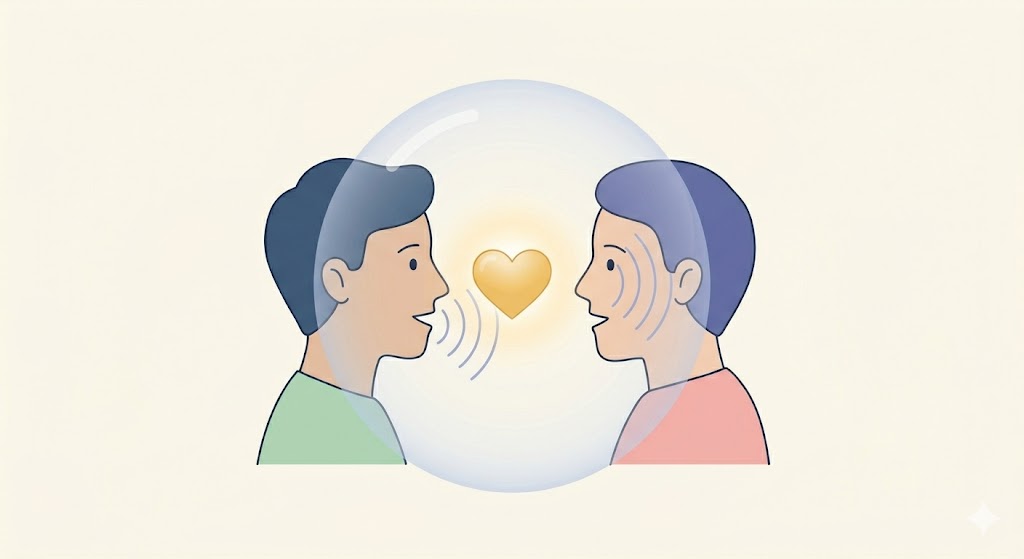
Effective Response
"That sounds incredibly frustrating. I completely understand why that hurt your feelings."
Destructive Response
"You're overreacting, I'm sure they didn't mean it that way. Just ignore it."
Tired of the Toxic Cycle?
Put this psychology into practice. Match with verified, intentional users on our secure Telegram platform and escape the swipe fatigue.