Dopamine vs. Oxytocin: The Neurobiology of the 'Slow Burn' Romance
By Noah Ellis
Behavioral Psychology & Relationship Expert
Instant chemistry is highly romanticized, but it often masks a trauma response. Learn the neurobiology behind why a 'slow burn' connection is the ultimate green flag for lasting love.
We live in a culture that worships the "spark." Books, movies, and music constantly reinforce the idea that true love is supposed to hit you like a lightning bolt on the very first date. If you don't feel a massive, dizzying rush of excitement, you are told to move on—that the "chemistry" simply isn't there. However, neurobiologists and relationship experts argue that chasing this instant high is exactly why so many modern daters find themselves trapped in cycles of emotional exhaustion.
Key Insight
High-intensity "sparks" are often a physiological warning sign rather than a sign of compatibility. True intimacy requires a regulated nervous system, not a hijacked one.
The Dopamine Deception
When you feel an instant, overwhelming physical and emotional rush with a stranger, your brain is releasing a flood of dopamine and adrenaline. These are the exact same neurochemicals associated with the "fight or flight" response, as well as gambling and substance addiction. Often, what you are interpreting as "passionate chemistry" is actually your nervous system detecting a familiar, chaotic emotional dynamic—usually stemming from childhood or past toxic relationships.
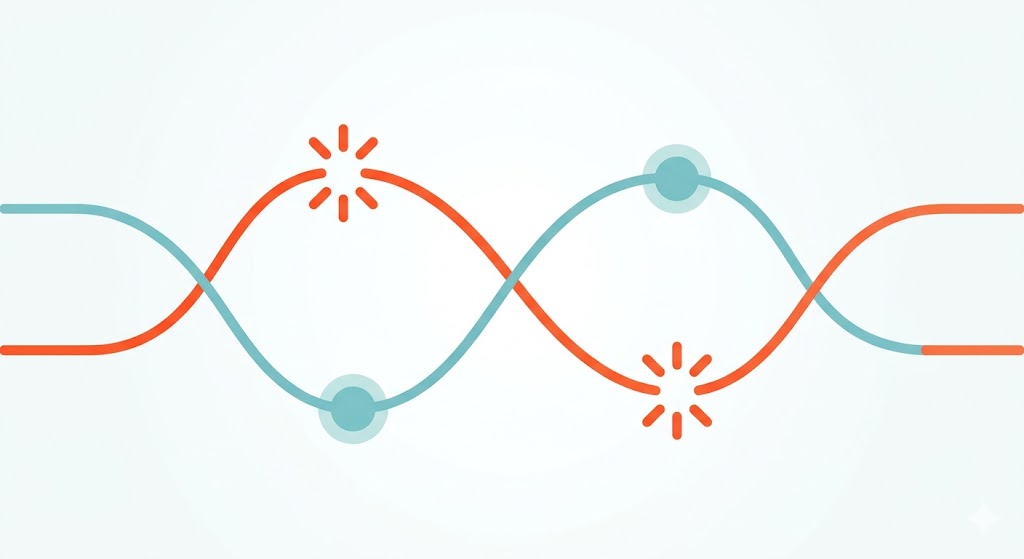
If you are used to having to "earn" love from inconsistent people, meeting a secure, consistent person will not trigger a dopamine spike. In fact, your brain may interpret the lack of chaos as a lack of interest. Your traumatized brain falsely labels the secure person as "boring," causing you to reject a perfectly healthy partner in favor of someone who triggers your familiar anxiety. This is the dopamine trap: it prioritizes intensity over longevity.
The Oxytocin Foundation: The Slow Burn
Lasting, secure love is built on a completely different neurochemical: oxytocin. Often called the "cuddle hormone" or "bonding chemical," oxytocin is released through consistent, safe, and trusting behaviors over time. It is the neurochemical responsible for long-term attachment, deep peace, and profound comfort. Unlike dopamine, which thrives on novelty and uncertainty, oxytocin thrives on predictability and safety.
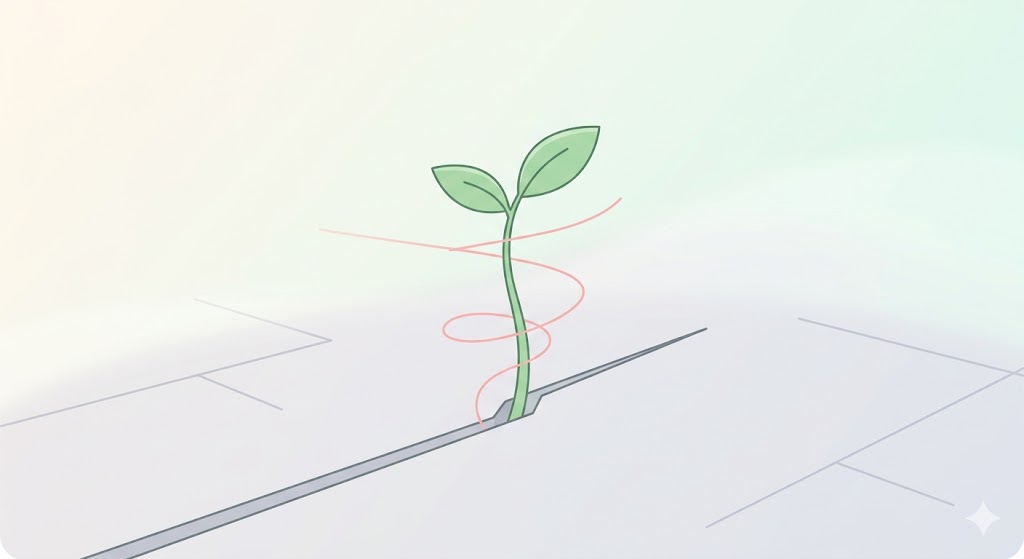
An oxytocin bond is a "slow burn." It takes time to build because it requires data—seeing a person show up consistently, handle conflict maturely, and respect your boundaries. A slow-burn relationship might start with a comfortable, easy first date that feels like talking to an old friend. Because there is no manic, obsessive infatuation, you might leave the date thinking, "That was nice," rather than "I've met my soulmate." Experts suggest this is exactly how healthy foundations are laid.
The most sustainable relationships are often those that start with a simmer rather than a boil. Boiling water eventually evaporates; a simmer provides constant warmth.
Retraining Your Nervous System
If you want to find a lifelong partner, you must consciously uncouple the idea of "anxiety" from "chemistry." When you go on a date through a platform like Winkia, pay attention to your body rather than your internal narrative. Do not ask, "Is my heart racing?" Instead, ask yourself these three critical questions:
- Is my breathing steady and deep?
- Do my muscles (shoulders/jaw) feel relaxed?
- Do I feel safe expressing a differing opinion?

Give the "slow burn" a chance. Commit to going on at least three dates with someone who is kind, respectful, and aligns with your core values, even if the cinematic fireworks aren't exploding on day one. You may find that as the oxytocin begins to flow, the slow burn develops into a fire that actually lasts—one that warms you through the years instead of burning you out in a month.
Tired of the Toxic Cycle?
Put this psychology into practice. Match with verified, intentional users on our secure Telegram platform and escape the swipe fatigue.