The Sunk Cost Fallacy: Why We Stay in Dead-End Relationships
By Maya Chen
Behavioral Psychology & Relationship Expert
Have you ever stayed with the wrong person simply because you've already invested months of your time? Learn how to defeat this powerful cognitive bias and walk away with confidence.
You have been dating someone for six months. The initial chemistry has faded, communication is strained, and deep down, you know your core values do not align. Yet, as you contemplate walking away, a persistent voice whispers: "But we've already put so much effort into this. I can't just throw away half a year."
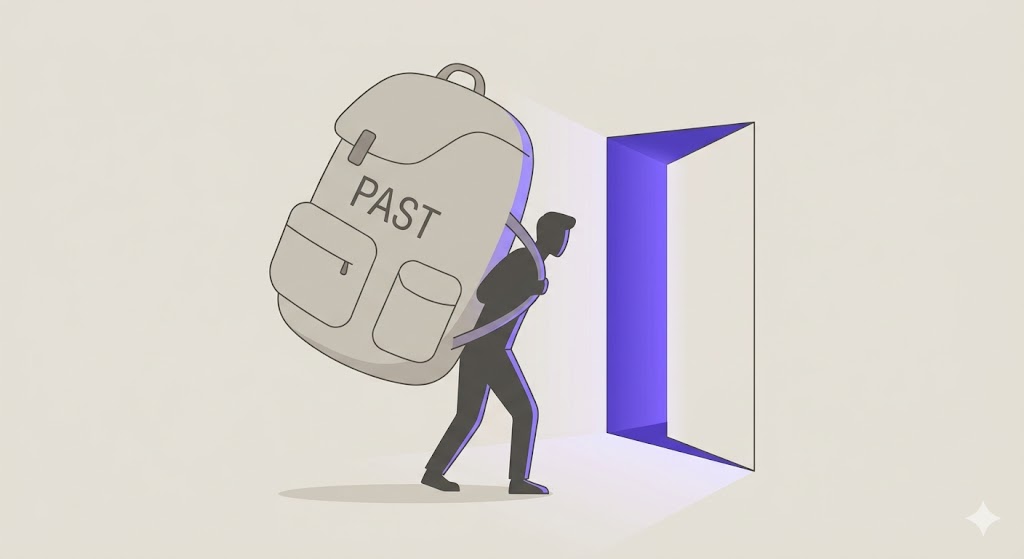
This paralyzing thought process isn't just "loyalty" or "commitment"—it is a classic psychological trap known in behavioral economics as the Sunk Cost Fallacy. It is the tendency to continue an endeavor once an investment in money, effort, or time has been made, even when the current costs outweigh the potential benefits. In the world of romance, this cognitive bias acts as an anchor, keeping us moored to sinking ships long after the hull has breached.
Understanding the Cognitive Mechanics
At the heart of the Sunk Cost Fallacy lies Loss Aversion, a concept pioneered by psychologists Daniel Kahneman and Amos Tversky. Their research suggests that the pain of losing something is twice as psychologically powerful as the pleasure of gaining something of equal value.
In a relationship, your "sunk costs" are the months spent navigating awkward first dates, the vulnerability of sharing your history, and the emotional labor invested in resolving conflicts. Your brain views a breakup not as a strategic pivot toward a better life, but as a "total loss" of those assets. This biological hardwiring tricks you into believing that staying—even in misery—is safer than the perceived "waste" of walking away.
Sunk costs are irrecoverable. Whether you stay or leave, the past six months are gone. The only variable you can actually control is how you spend the *next* six months.
Reframing the 'Wasted Time' Narrative
To escape this mental trap, you must fundamentally reframe your definition of "waste." Time spent learning that a person is not your long-term match is not a deficit; it is critical data collection. Every failed relationship refines your "Internal Navigation System," teaching you which personality traits are non-negotiable and which red flags you previously ignored.
The only truly wasted time is the time you spend continuing to invest in a "business" that you already know is going bankrupt. By staying to "save" the last six months, you are essentially bankrupting your future self to pay for a past that cannot be refunded.

The Zero-Based Relationship Test
In corporate finance, "Zero-Based Budgeting" requires managers to justify every expense from scratch every year, rather than just adjusting the previous year's budget. You can apply this same rigor to your love life.
Ask yourself the "Day One" question:
"Knowing everything I know now about this person’s character, their communication style, their flaws, and their virtues—if I met them for the very first time today, would I enthusiastically choose to start dating them?"
If the answer is anything other than a "Yes," then your relationship is currently surviving purely on the fumes of the Sunk Cost Fallacy. You aren't staying for the person; you are staying because you are afraid of the paperwork involved in leaving.

The Courage to Cut Your Losses
Walking away from a medium-term relationship is an act of profound self-respect. It is an acknowledgment that your time is your most precious non-renewable resource. The momentary discomfort of a breakup—the awkward conversations, the logistics of uncoupling, the temporary loneliness—is a small entry fee for the freedom to find a partner who aligns with your core values.
Don't let the ghost of your past six months haunt the next sixty years of your life.
Tired of the Toxic Cycle?
Put this psychology into practice. Match with verified, intentional users on our secure Telegram platform and escape the swipe fatigue.