Trauma Bonding vs. Passion: Decoding the Chemistry of Chaos
By Noah Ellis
Behavioral Psychology & Relationship Expert
The most toxic relationships often feel the most passionate. Learn the clinical neuroscience behind 'trauma bonding' and why true love should never feel like an emotional rollercoaster.
The Biochemical Cocktail of Abuse
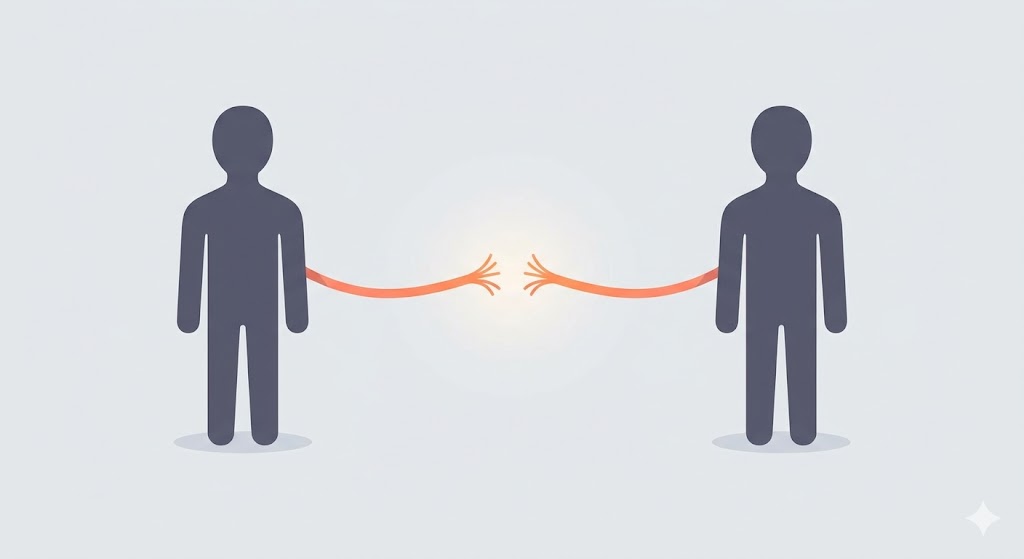
A trauma bond is not a choice; it is a clinical psychological phenomenon created through a cyclical pattern of intense abuse or neglect followed by intense affection and reconciliation. This intermittent reinforcement hijacks the brain's reward center in the same way gambling or narcotics do.
Key Insight
"In a trauma bond, the abuser becomes both the source of the pain and the only perceived source of comfort. This creates a psychological 'Stockholm Syndrome' where the victim clings to the perpetrator for survival."
When the partner is cold, critical, or withholding, your brain experiences severe stress, releasing massive amounts of cortisol and adrenaline. You feel desperate, anxious, and physically pained. Then, the partner suddenly "shifts"—they apologize, buy flowers, or offer a glimpse of the loving person they were at the beginning.
The relief you feel triggers a massive rush of dopamine and oxytocin. Because the contrast between the extreme pain and the sudden relief is so sharp, your brain registers the "high" as far more powerful than a normal interaction. You literally become chemically addicted to the cycle of punishment and rescue.

Why Secure Love Feels "Boring"
This biochemical addiction is why individuals recovering from trauma bonds often find healthy, secure partners "boring" or "lacking chemistry." A secure partner does not subject you to cortisol-spiking terror, which means they also do not provide the massive, dizzying dopamine relief of a reconciliation.
A healthy relationship operates on a steady, calm baseline. If your nervous system is conditioned to equate "anxiety" with "attraction," then peace will temporarily feel like a lack of spark. Recovery requires retraining your brain to appreciate safety over stimulation.
Breaking the Biochemical Addiction
You cannot break a trauma bond through logic alone. Understanding you are in a bad situation is only the first step; the body must also "detox." Just like breaking a substance addiction, the only reliable cure is absolute, strict isolation from the source.
The "No Contact" Rule: This is non-negotiable. No texts, no social media stalking, and no "closure" coffees. Every interaction resets the clock on your biochemical recovery.
During the first few weeks, your brain will go through literal withdrawal. You must rely on support systems—therapy, support groups, and somatic regulation—to weather the storm. As the months pass, the "fog" will lift. You will eventually recognize the relationship not as a grand romance, but as the psychological prison it truly was.
Healing is Possible
Your nervous system has a remarkable capacity for neuroplasticity. With time and distance, the calm of a healthy life will transform from "boring" to "breathable."
Tired of the Toxic Cycle?
Put this psychology into practice. Match with verified, intentional users on our secure Telegram platform and escape the swipe fatigue.