The Erasure of the Self: Moving from Codependency to Interdependency
By Noah Ellis
Behavioral Psychology & Relationship Expert
True love requires intimacy, but codependency demands erasure. Discover the clinical markers of emotional enmeshment and how to build a healthy, interdependent relationship.
The Anatomy of Enmeshment
At its core, codependency is a dysfunctional relationship pattern where one person relies on another for their entire sense of self-worth and emotional stability. Unlike healthy intimacy, codependency is rooted in a profound lack of personal boundaries. This state, often referred to as "enmeshment," creates a psychological fusion where your internal weather is dictated entirely by your partner's climate.
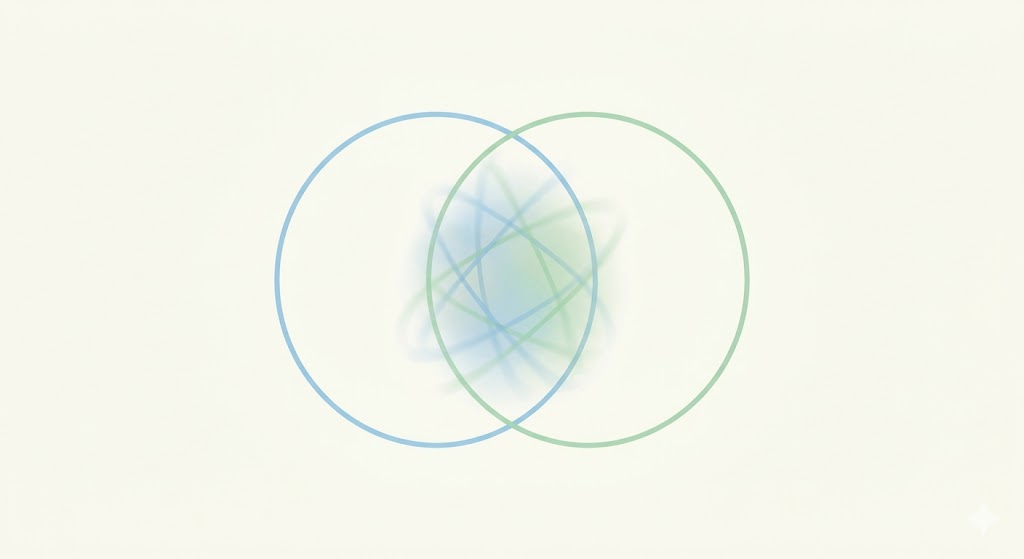
You may be experiencing enmeshment if you find yourself constantly "scanning" your partner for micro-expressions of disapproval. When they are anxious, you become paralyzed; when they are angry, your day is derailed. This chronic hyper-vigilance eventually leads to the erasure of your own needs, hobbies, and social circles in a desperate bid to maintain harmony and prevent abandonment.
"Codependency isn't about loving too much; it's about a lack of self-definition. It is the belief that you are only safe or worthy if you are managing someone else's internal state."
The Rescuer-Victim Trap
Psychologist Stephen Karpman described this dynamic through the Drama Triangle. In codependent pairings, one partner often adopts the role of the Rescuer, while the other occupies the role of the Victim. This is not a relationship of equals; it is a relationship of utility.
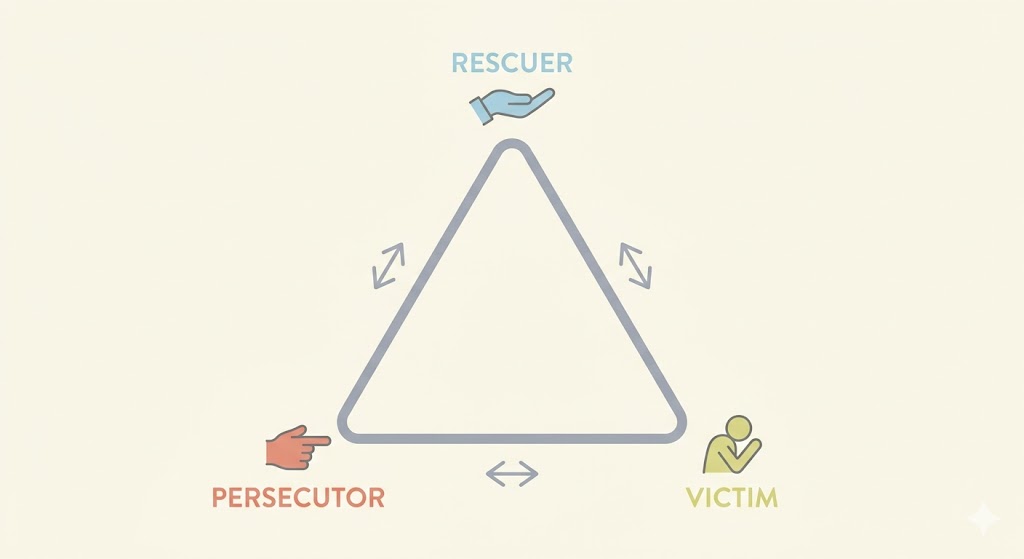
The Rescuer is often drawn to "projects"—partners struggling with addiction, financial instability, or emotional trauma. By "fixing" the partner, the Rescuer achieves a temporary sense of power and purpose. However, this creates a toxic dependency: the Rescuer needs the partner to remain dysfunctional to maintain their own sense of worth, while the Victim remains stuck in a cycle of helplessness to ensure they are cared for.
The Path to Interdependence
The antidote to codependency is not hyper-independence—a state where one builds walls and refuses all support. Rather, the goal is Interdependence. This is the healthy middle ground where two autonomous individuals choose to journey together without losing their individual identities.
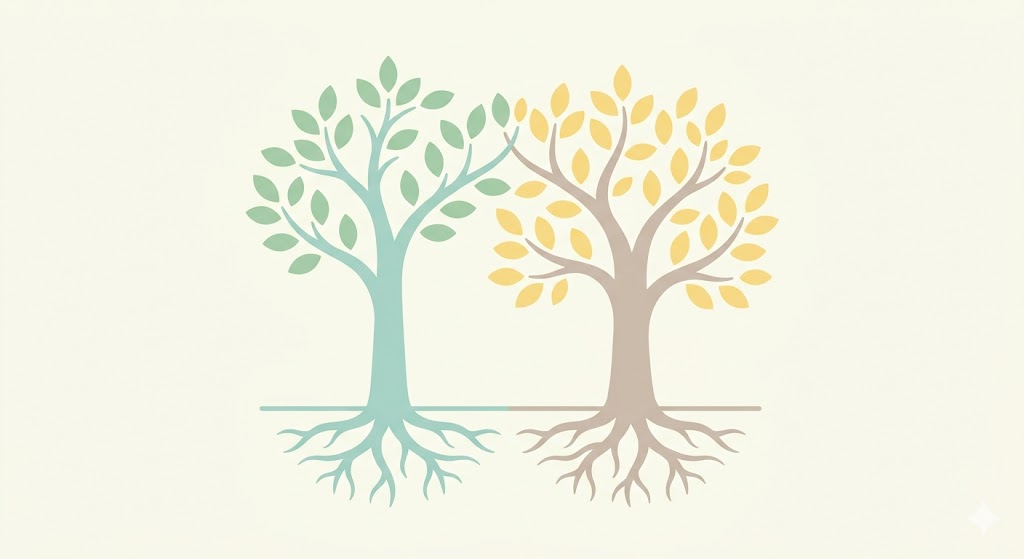
Codependent Behavior
- ✕ Absorbing partner's emotions
- ✕ Sacrificing personal values
- ✕ Fear-based loyalty
Interdependent Behavior
- ✓ Empathy without enmeshment
- ✓ Maintaining separate hobbies
- ✓ Choice-based intimacy
In an interdependent relationship, you can support your partner through a crisis while remaining emotionally regulated yourself. You derive your self-worth from internal accomplishments and values, not from the approval of your significant other. True love isn't needing someone to survive; it is the freedom of being a whole person and choosing another whole person to share the ride.
Tired of the Toxic Cycle?
Put this psychology into practice. Match with verified, intentional users on our secure Telegram platform and escape the swipe fatigue.