Echoes of Childhood: Breaking Intergenerational Trauma Patterns in Love
By Sofia Hart
Behavioral Psychology & Relationship Expert
You aren't just dating your match; you are dating the ghosts of your childhood. Uncover how your parents' relationship modeled your subconscious dating script and how to rewrite it.
The Subconscious Blueprint of Love
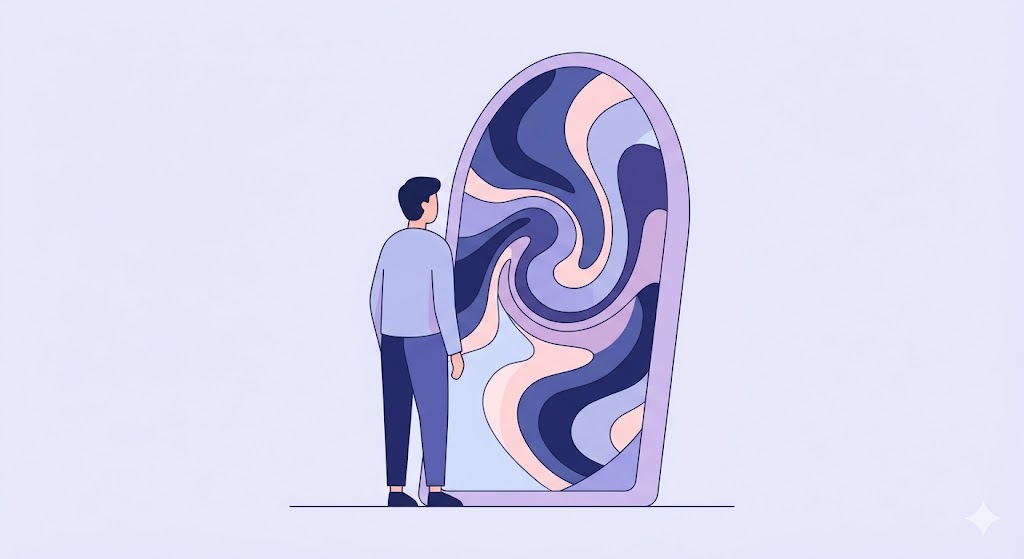
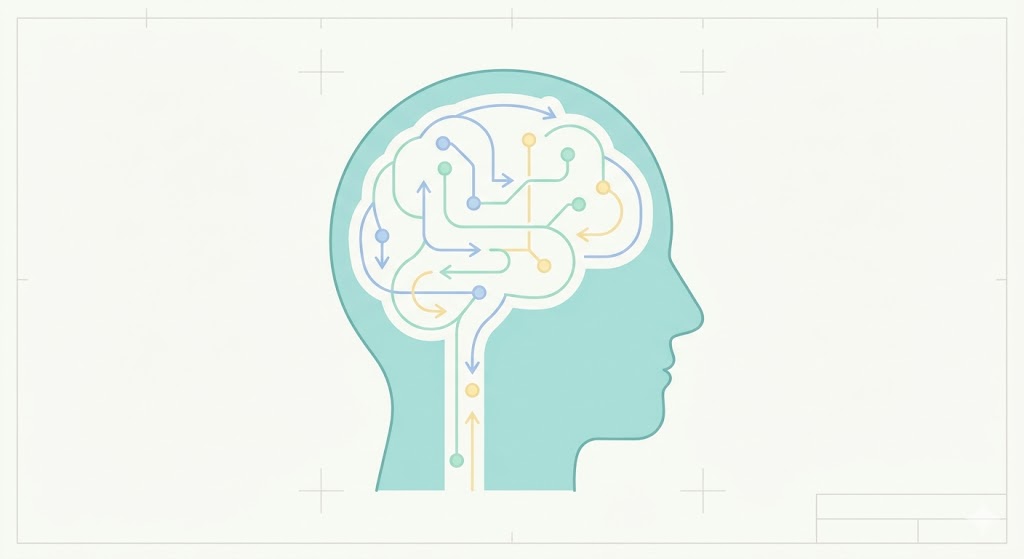
Between the ages of zero and seven, the human brain operates primarily in a theta wave state. This is a period of peak suggestibility, where we absorb the world not through logic, but through raw observation. During this critical window, your parents’ relationship served as your primary classroom.
You weren't just watching them; you were downloading a foundational blueprint for human connection. You observed:
- Conflict Resolution: Did they scream, or did they go silent?
- Affection: Was love earned through performance, or given freely?
- Boundaries: Were they nonexistent or built like brick walls?
If you grew up in a household where "love" was synonymous with volatility followed by passionate make-ups, your nervous system likely coded chaos as passion. Conversely, if your caregivers were emotionally detached, your brain may have coded distance as safety.
The Repetition Compulsion
Sigmund Freud identified a phenomenon known as Repetition Compulsion—the psychological urge to reenact early traumas in an attempt to "fix" them. We don't choose difficult partners because we enjoy suffering; we choose them because they are familiar.
The Familiarity Trap
The primitive brain prioritizes familiarity over happiness. A "known" toxicity feels safer to the nervous system than an "unknown" healthy dynamic.
The Mastery Narrative
We believe that if we can finally get an emotionally unavailable person to love us, we have retroactively healed the wound left by an unavailable parent.
This cycle creates a "magnetic" pull toward people who trigger our unhealed wounds. When we say someone has "chemistry," we are often actually sensing a person whose neuroses perfectly interlock with our own childhood scripts.
Rewriting the Script
Healing is the process of making the subconscious conscious. You cannot change a pattern you haven't identified. To break the cycle of intergenerational trauma, you must move from reactive dating to intentional selection.
Practical Steps for Healing:
- Conduct a "Relationship Audit": Write down the three primary traits of your caregivers' dynamic. Now, look at your last three partners. The overlap is often startling.
- Challenge the "Spark": Recognize that the immediate, heart-racing "spark" is often just a nervous system alarm. True compatibility usually feels like peace, not panic.
- Date Against Intuition: If your intuition is calibrated to trauma, it will lead you toward familiar pain. Use a platform like Winkia to consciously filter for values, stability, and emotional maturity—even if it feels "boring" at first.
You break the generational curse the moment you stop picking partners who feel like your past, and start picking partners who feel like the peaceful future you deserve. Healing isn't about forgetting where you came from; it's about deciding it no longer gets to choose where you're going.
Tired of the Toxic Cycle?
Put this psychology into practice. Match with verified, intentional users on our secure Telegram platform and escape the swipe fatigue.