Rejection Sensitive Dysphoria: Why Dating App Rejections Hurt So Deeply
By Jules Reed
Behavioral Psychology & Relationship Expert
If getting ghosted feels like a literal punch to the chest, you aren't being overly sensitive. Explore the neurobiology of Rejection Sensitive Dysphoria and how to shield your self-worth.
The Neurology of Emotional Pain
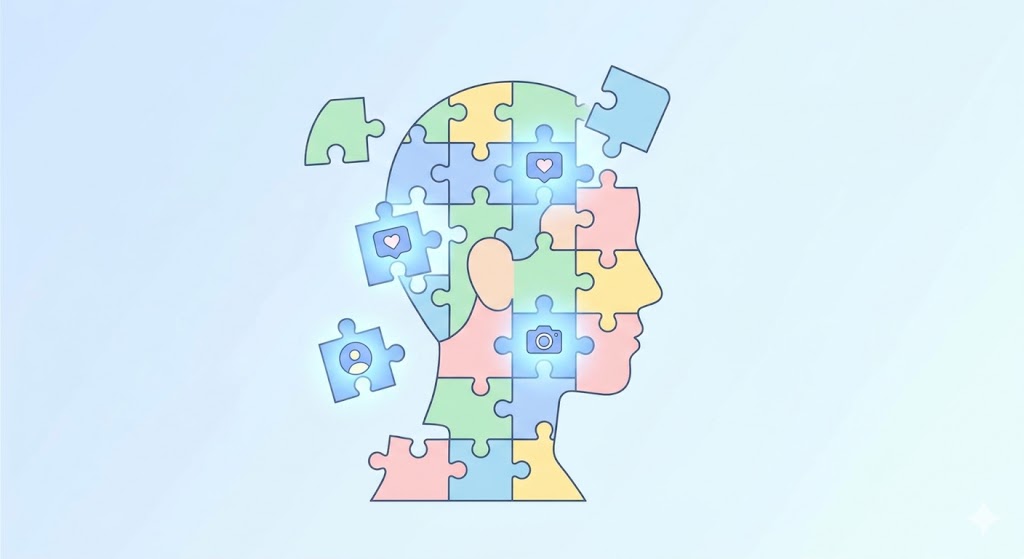
Rejection Sensitive Dysphoria (RSD) is not a personality flaw or a lack of resilience; it is an intense, overwhelming emotional sensitivity triggered by the perception of being rejected, criticized, or excluded. While predominantly associated with ADHD and neurodivergent brain structures, it frequently manifests in those with C-PTSD or history of childhood emotional neglect.
Key Insight: Neural Misinterpretation
In an RSD brain, the anterior cingulate cortex—the area that processes physical pain—lights up during social rejection. Your brain literally cannot tell the difference between a broken heart and a broken arm.
In a neurotypical individual, a ghosted text might cause a brief dip in serotonin. In an individual with RSD, that same silence is processed as a life-threatening social emergency. The brain interprets a delayed response not as a busy schedule, but as definitive proof of fundamental brokenness. This creates an emotional thunderstorm that can last for hours or even days.
Anticipatory Anxiety and Defensive Sabotage
The pain of RSD is so agonizing that the subconscious mind develops hyper-vigilant defense mechanisms to prevent it. This often manifests in dating through two polarized behaviors: People Pleasing or Preemptive Rejection.
- • The Chameleon Effect: You morph your personality, opinions, and boundaries to ensure you never incur the disapproval of a date. You become what they want, losing yourself in the process.
- • Preemptive Striking: At the first sign of a shift in "vibe," you break things off. It is easier to burn the bridge yourself than to wait in terror for the other person to walk away.
Building an Emotional Firewall
Standard dating advice like "get back on the horse" is often harmful for those with RSD. Without a management strategy, repeated rejection can lead to severe clinical depression or social withdrawal. You must build a psychological buffer before entering the dating arena.
Cognitive Defusion
Instead of accepting the thought "I am unlovable," rephrase it: "I am having the thought that I am unlovable." This creates distance between your identity and your neurochemistry.
Diversified Validation
Treat your self-esteem like a financial portfolio. If 90% of your worth is in "Romantic Success," you will crash. Invest heavily in hobbies, career, and platonic bonds.
Finally, recognize that RSD is often physiological. Many individuals find significant relief through alpha-2 agonist medications (like Guanfacine or Clonidine) which help regulate the brain's "fight or flight" response to emotional stimuli. Always consult with a psychiatric professional to explore these options.
Tired of the Toxic Cycle?
Put this psychology into practice. Match with verified, intentional users on our secure Telegram platform and escape the swipe fatigue.