Hyper-Vigilance: When Over-Analyzing Texts is a Trauma Response
By Lena Ortiz
Behavioral Psychology & Relationship Expert
Do you analyze the punctuation in a text message to figure out if he is mad at you? Learn how childhood dynamics create hyper-vigilance and how to regulate your nervous system.
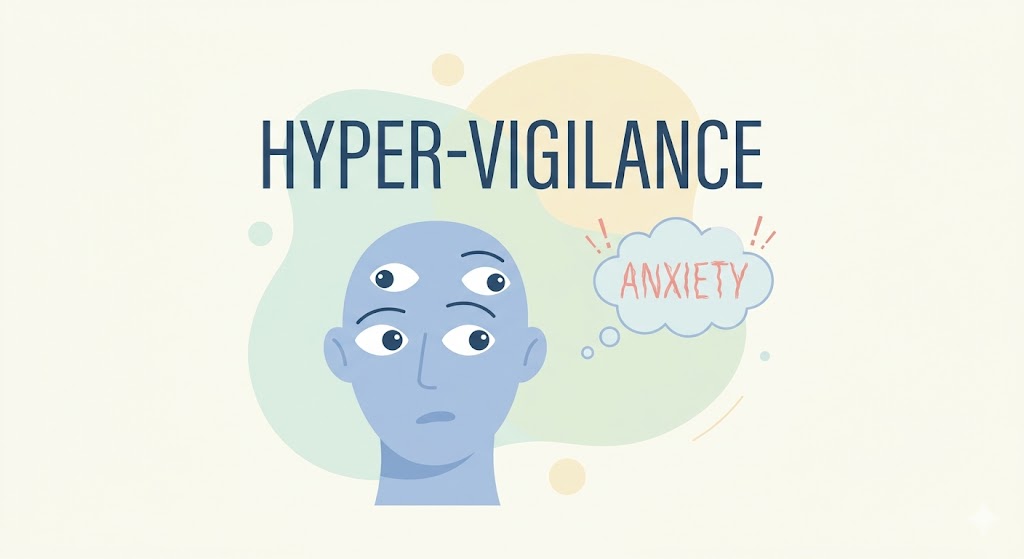
The Survival Mechanism of 'Walking on Eggshells'
Hyper-vigilance is not a personality flaw or a sign of "neediness"; it is a sophisticated neurological survival mechanism. If you grew up in a household with a volatile, unpredictable, or emotionally unavailable caregiver, your brain adapted to keep you safe. You learned that survival depended on your ability to scan for microscopic shifts in tone, facial micro-expressions, or the "vibe" of a room.
Key Insight: The False Alarm
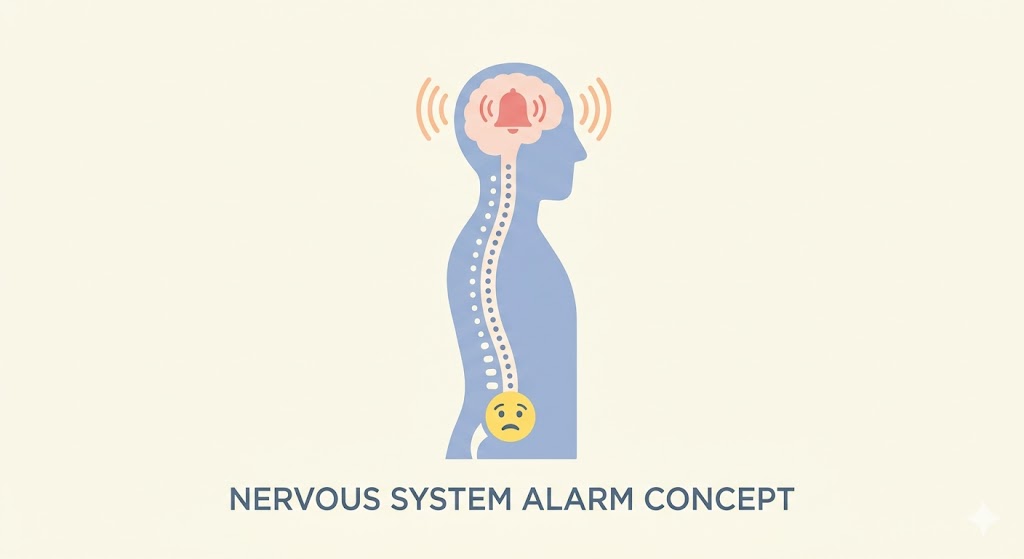
In trauma-informed psychology, hyper-vigilance is described as a "broken smoke detector." It is designed to save your life, but it has become so sensitive that it sounds a blaring alarm every time someone simply burns a piece of toast or, in this case, forgets a heart emoji.
You became an expert at reading the emotional weather. However, when you bring this mechanism into a healthy, secure relationship, it creates a "false positive" feedback loop. Your body reacts to a neutral event (a short text) as if it were a catastrophic threat (abandonment).
The Invisible Burden of Mind-Reading
Hyper-vigilance forces you into an unwanted role: the Emotional Manager. You assume that if your partner is quiet, it is a riddle you are required to solve. This creates a toxic dynamic where you are constantly working to stabilize their mood so that you can finally feel safe.
In a secure adult relationship, you are not responsible for managing your partner's unexpressed emotions. If they are upset, it is their responsibility to use their words. If they choose to be passive-aggressive or are simply having a bad day at work, that is their experience to navigate—not your cue to scramble and "fix" yourself to appease them.
Handing the Responsibility Back
Healing from hyper-vigilance requires a practice called Radical Literalism. This means choosing to take people at their word, even when your anxiety is screaming that they are lying.
| The Anxiety Trigger | The Secure Response |
|---|---|
| "He didn't use an emoji. He's mad." | "He is busy and sent a quick text." |
| "She seems quiet. I should apologize." | "If she needs something, she will tell me." |
When you feel the panic rising, practice direct clarification: "Hey, you seem a little quiet this morning. Is everything okay between us?" If they say, "Yeah, just stressed about work," you must force your brain to accept that answer as the absolute truth.

Do not search for the hidden meaning. Release the burden of their emotional state. By repeatedly choosing to believe their words rather than your anxiety, you are re-training your nervous system. You are teaching it that the world is no longer a place where you must anticipate every blow. You are teaching it that it is finally safe to stand down.
Tired of the Toxic Cycle?
Put this psychology into practice. Match with verified, intentional users on our secure Telegram platform and escape the swipe fatigue.