The Psychology of the 'Slow Fade': Why Cowardice Hurts More Than Ghosting
By Lena Ortiz
Behavioral Psychology & Relationship Expert
Ghosting is painful, but the 'slow fade' is psychological torture. Discover why the brain struggles to process ambiguous rejection and how to reclaim your power from a fading partner.
The Psychological Erosion of the "Slow Fade": Why It’s Worse Than Ghosting
In the modern dating landscape, ghosting is widely condemned as the ultimate act of cowardice. However, an even more insidious trend has emerged: the "slow fade." While ghosting is a sudden rupture, the slow fade is a gradual withdrawal of energy that leaves the recipient trapped in a state of psychological limbo.
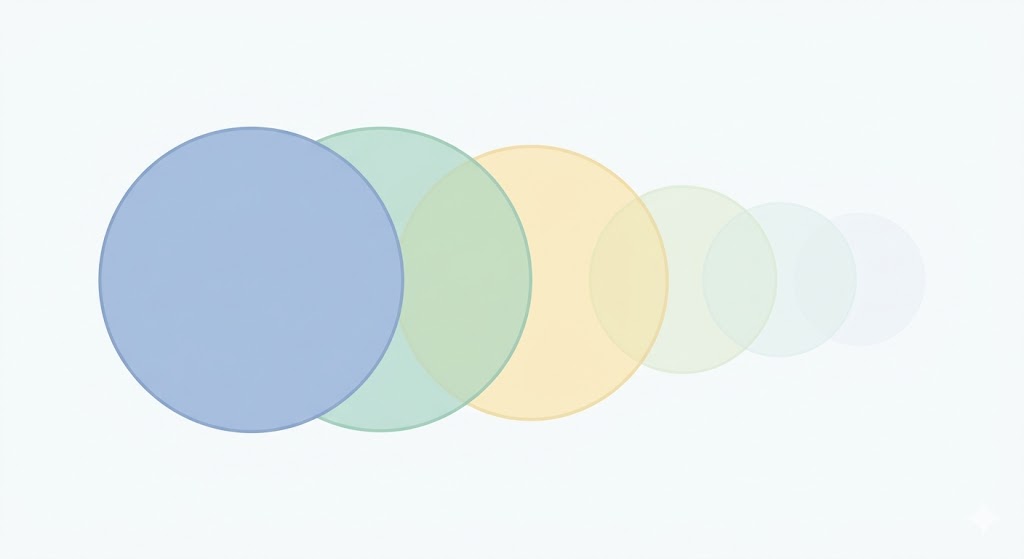
Anatomy of a Dissolving Connection
The slow fade occurs when a partner doesn’t cut contact entirely but systematically reduces their investment. Texts that once sparked instant replies now sit unanswered for days. Enthusiastic weekend plans are replaced by vague excuses about being "slammed at work" or "needing a low-key night."
Unlike the sharp, clean break of ghosting, the slow fade is a war of attrition. It relies on intermittent reinforcement—the psychological phenomenon where occasional, low-effort engagement keeps the recipient hooked. By sending a "hope you're well" text once a week, the fader prevents the other person from moving on, effectively keeping them on a "back burner" while they emotionally exit the relationship.
The slow fade isn't about "being busy." It is a subconscious strategy to avoid the discomfort of a breakup conversation by forcing the other person to eventually lose interest or initiate the split themselves.
The Zeigarnik Effect: Why Your Brain Can't Let Go
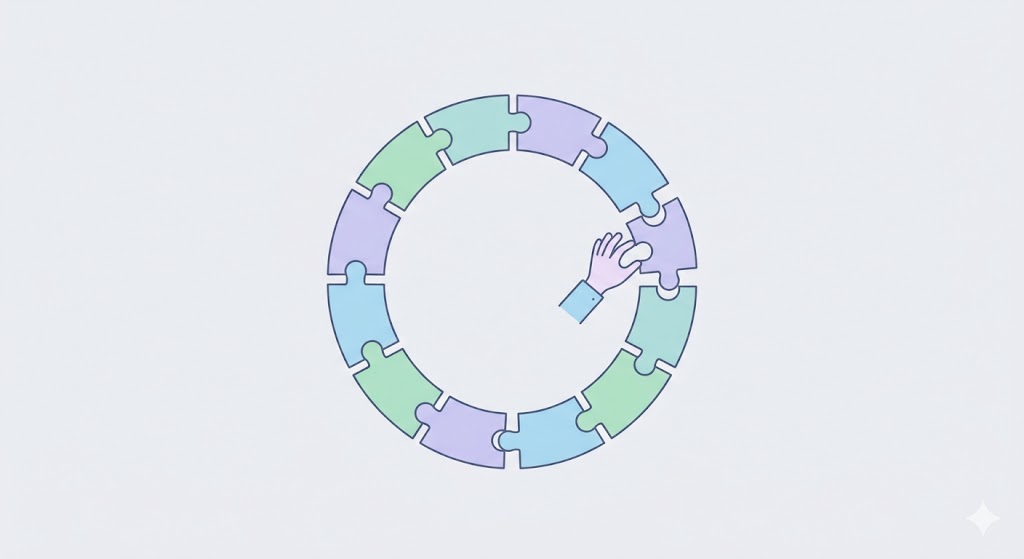
Psychologically, the slow fade is far more damaging to the recipient's nervous system than a clean break. This is largely due to the Zeigarnik Effect, a principle stating that the human brain remembers uncompleted or interrupted tasks better than completed ones.
A clean breakup, however painful, is a completed task. It allows the brain to process the loss and begin the grieving sequence. The slow fade, however, creates a perpetually open loop. Because the fading partner continues to provide digital "breadcrumbing"—liking an Instagram story or sending a "thinking of you" message—the brain is denied closure. You are forced into a state of agonizing ambiguity, constantly analyzing micro-signals to determine if the relationship is dying or simply in a "dry spell." This cognitive dissonance keeps your cortisol levels chronically spiked.
The Cowardice of Conflict Avoidance
The person initiating the slow fade is often operating from a place of deep-seated conflict avoidance. They lack the emotional maturity and communication skills to say, "I've enjoyed our time, but I don't see this progressing." Instead, they selfishly shift the burden of the breakup onto you.
By acting distant, they hope you will "get the hint" and eventually do the difficult work of ending the relationship. This allows them to maintain a self-image of being a "nice person" who didn't technically hurt anyone, while in reality, they have subjected their partner to weeks of unnecessary anxiety and self-doubt.
Calling Out the Fade: Reclaiming Your Agency
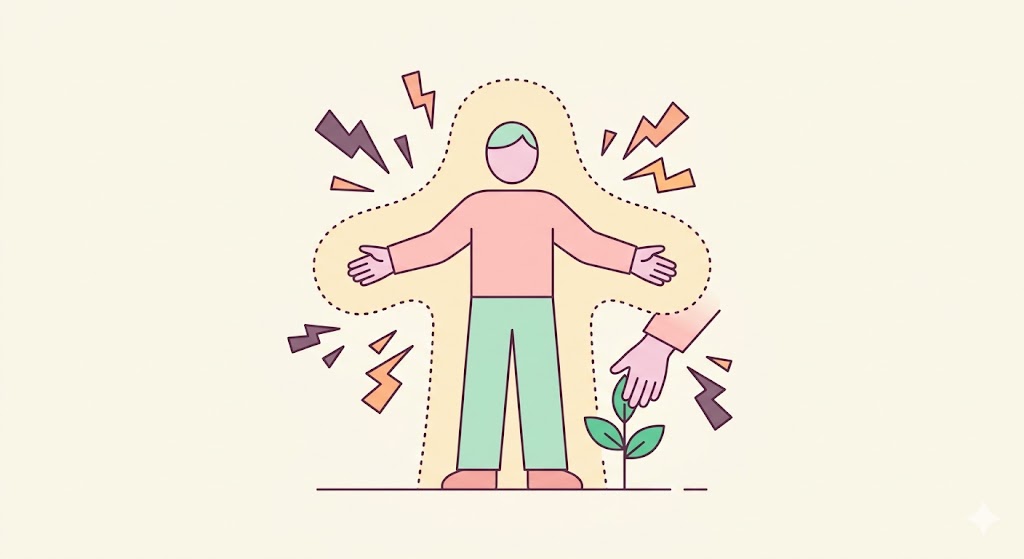
When you sense a slow fade, the natural instinct is to "lean in"—to ask what's wrong, try to be more accommodating, or double-down on your efforts to win them back. This is a strategic error. Chasing a fading partner only validates their avoidance and erodes your self-worth.
Instead, you must close the loop yourself. You do not need their permission to end the cycle of ambiguity. By naming the dynamic directly, you collapse the game and reclaim your emotional sovereignty.
Consider a high-boundary "closure" message:
"I've noticed a shift in our communication lately and it feels like the momentum has changed. I'm looking for a connection with more consistency, so I don't think we're a match anymore. I wish you the best!"
By sending this, you stop waiting for a text that may never come. You transition from a passive observer of your own heartache to an active architect of your future. In the world of modern dating, the most powerful move is often the one where you choose yourself over a connection that is already halfway out the door.
Tired of the Toxic Cycle?
Put this psychology into practice. Match with verified, intentional users on our secure Telegram platform and escape the swipe fatigue.