The Transfer of Attachment: Why Rebounds Sabotage Your Dating Life
By Maya Chen
Behavioral Psychology & Relationship Expert
Jumping into a new relationship immediately after a breakup feels like a cure for heartbreak, but psychological science warns it is a recipe for disaster. Here is why you must heal in isolation.
Heartbreak is far more than a poetic metaphor; it is a profound physiological and psychological crisis. When a significant bond dissolves, the human brain enters a state of literal withdrawal. The sudden cessation of dopamine, oxytocin, and serotonin—neurochemicals your brain was conditioned to receive from a partner—triggers an emergency response. In this state of neurochemical starvation, the brain seeks the path of least resistance to stabilize its internal environment. This survival mechanism is the genesis of the rebound relationship.

The Illusion of the Quick Fix
On the surface, jumping back into the dating pool feels like an act of empowerment. The dopamine spike of a new match, the validation of a first date, and the physical intimacy of a new encounter act as a potent anesthetic. However, clinical psychologists caution that this is rarely "healing." Instead, it is often a Transfer of Attachment.
Key Insight: The Emotional Band-Aid
When you date before grieving, you aren't connecting with a person; you are placing a stranger into a pre-existing emotional void. This treats a human being as a tool for regulation rather than a partner for connection.
This dynamic is inherently lopsided. The new partner often believes they are witnessing the birth of a genuine bond, unaware that they are essentially serving as an emotional life raft. While it saves you from drowning in your grief temporarily, it sets the stage for a secondary, often more complex, heartbreak.
The Delayed Crash
Data suggests that the neurochemical high of a rebound relationship typically peaks and plateaus within three to six months. Because these connections are built on a foundation of grief avoidance rather than fundamental compatibility, they lack the structural integrity to survive the "honeymoon phase."
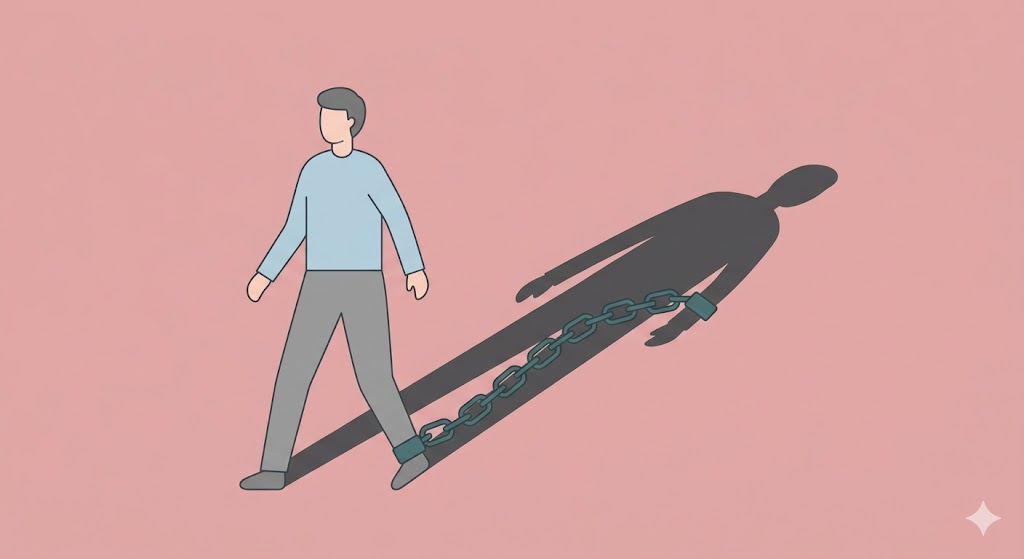
Once the initial novelty fades, the unprocessed emotions from the previous breakup—the anger, the betrayal, the sorrow—begin to leak into the new relationship. Small irritations are magnified, and the "illusion of healing" shatters. The result is a compounded grief: you are suddenly forced to process the end of the new relationship and the unresolved pain of the old one simultaneously.
Spotting a Rebounder (And Protecting Your Peace)
When navigating modern dating platforms like Winkia, it is vital to discern whether a match is seeking a partner or a distraction. Protecting your emotional labor is paramount. Watch for these three red flags:
1. The Timeline
If they exited a long-term commitment recently, their "readiness" is likely a biological facade. Emotional integration takes time that cannot be bypassed.
2. The Ex-Factor
Frequent mentions of an ex—whether through vitriol or nostalgia—indicate that the mental "real estate" is still occupied. They are still tethered.
3. Forced Intimacy
Rebounders often attempt to "fast-forward" to the level of comfort they lost. If they are pushing for deep commitment by week two, they are outrunning loneliness.

Tired of the Toxic Cycle?
Put this psychology into practice. Match with verified, intentional users on our secure Telegram platform and escape the swipe fatigue.